PL
PL
 DE
DE
Ceramics Museum
Bolesławiec
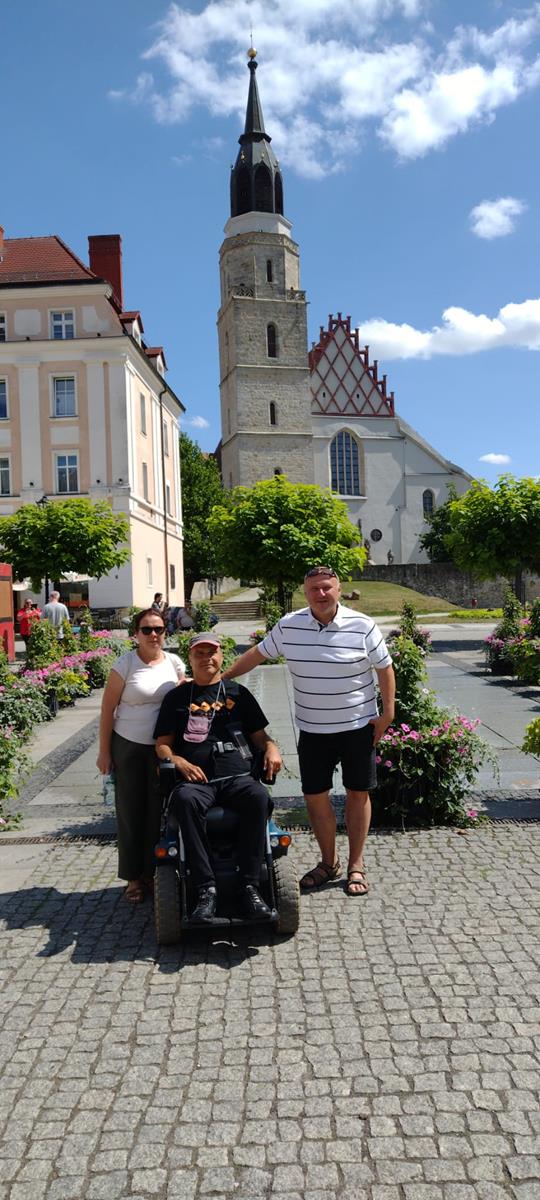
Bolesławiec is best known for its distinctive pottery, with patterns that are recognized not only throughout Poland but also abroad. I therefore decided to visit the city and see what exploring Bolesławiec is like from the perspective of a wheelchair user. It turned out that, in addition to the famous Ceramics Museum, the city also offers a beautiful Market Square and fairly good conditions for people with disabilities.
Travelling to Bolesławiec by Train
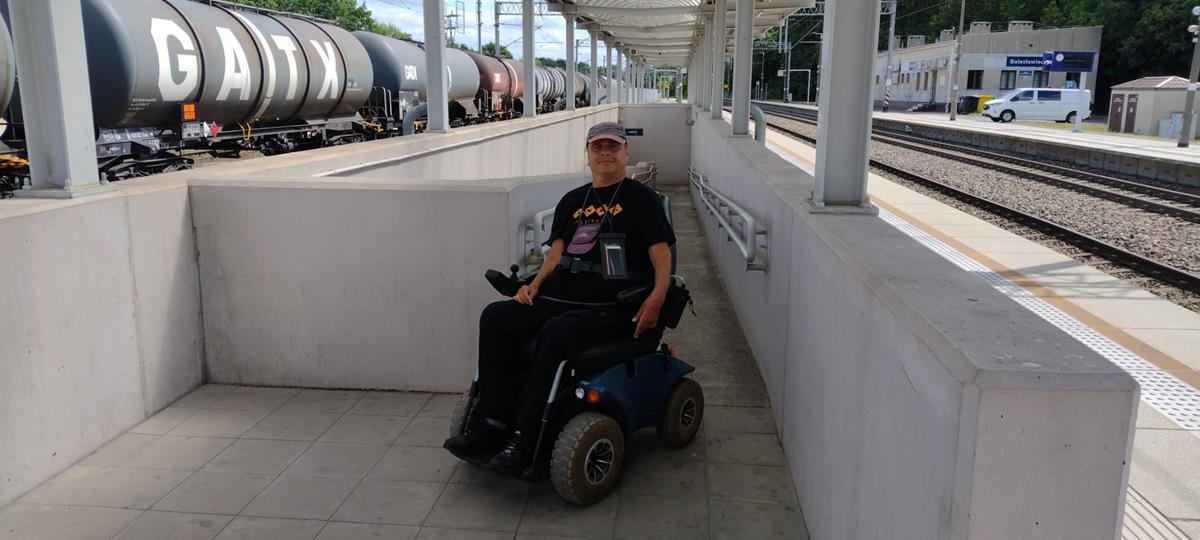
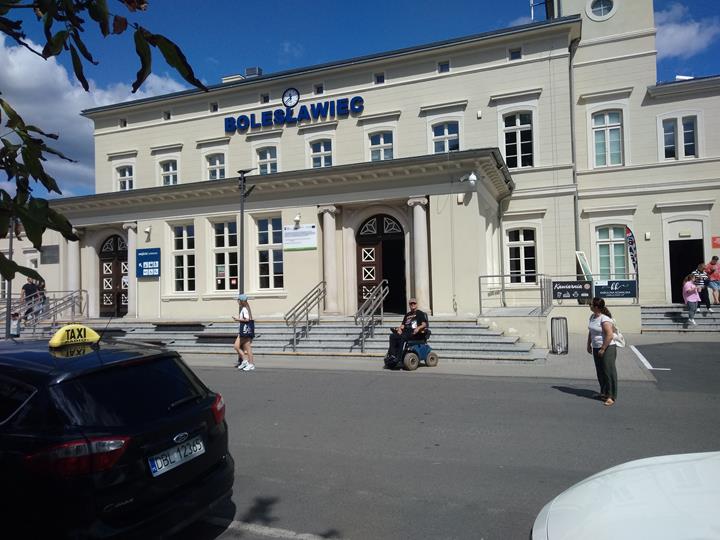
I began my journey at Bolesławiec railway station, which has been accessible to wheelchair users for several years. To reach the city after getting off at the second platform, you need to use a long ramp and a tunnel with a wheelchair-friendly surface and a manageable gradient. I always prefer a ramp to a lift as an accessibility solution because a ramp can never break down.
Access to the station hall and the first platform is even easier, as there are no obstacles along the way.
The railway station in Bolesławiec is a very good starting point for exploring the city, as everything is within easy reach from here. The Ceramics Museum is approximately 1 km away, while the Market Square is about 400 metres away.
Visiting the Bolesławiec Ceramics Museum in a Wheelchair
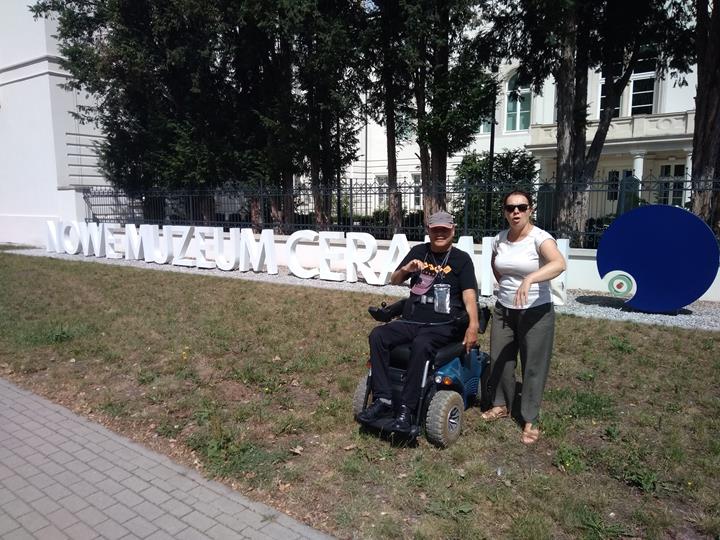
The main highlight of my visit was, of course, the Bolesławiec Ceramics Museum. It is difficult to visit a city famous for its pottery without exploring a place where you can learn about its history.
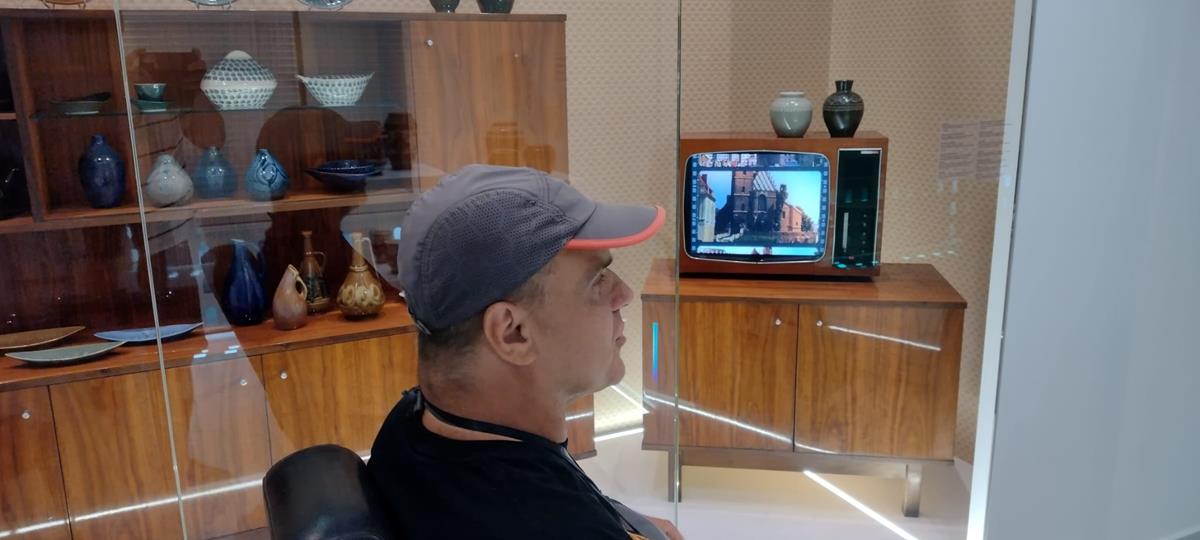
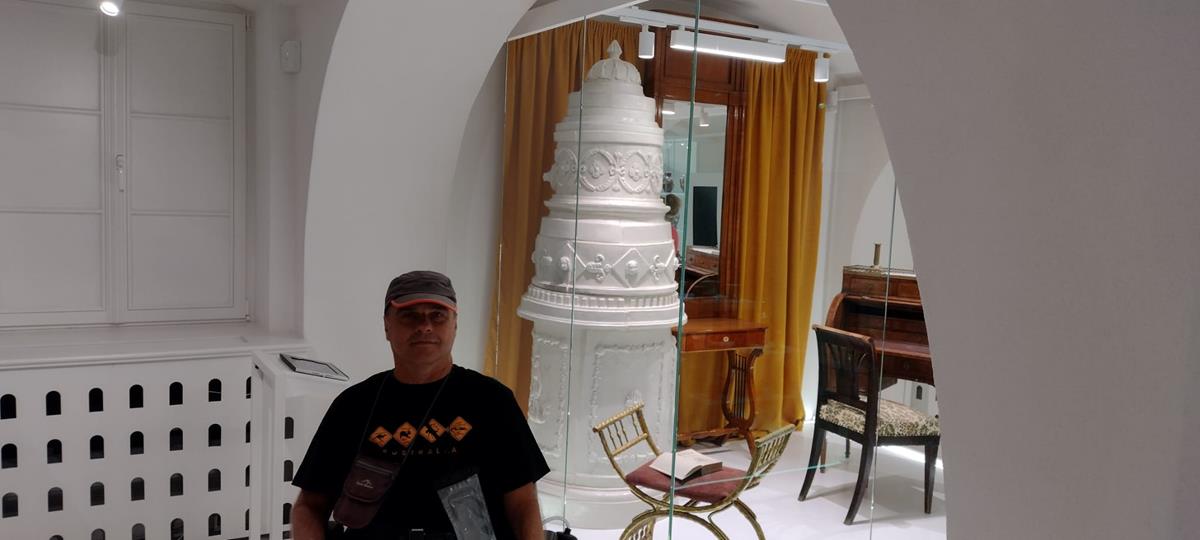
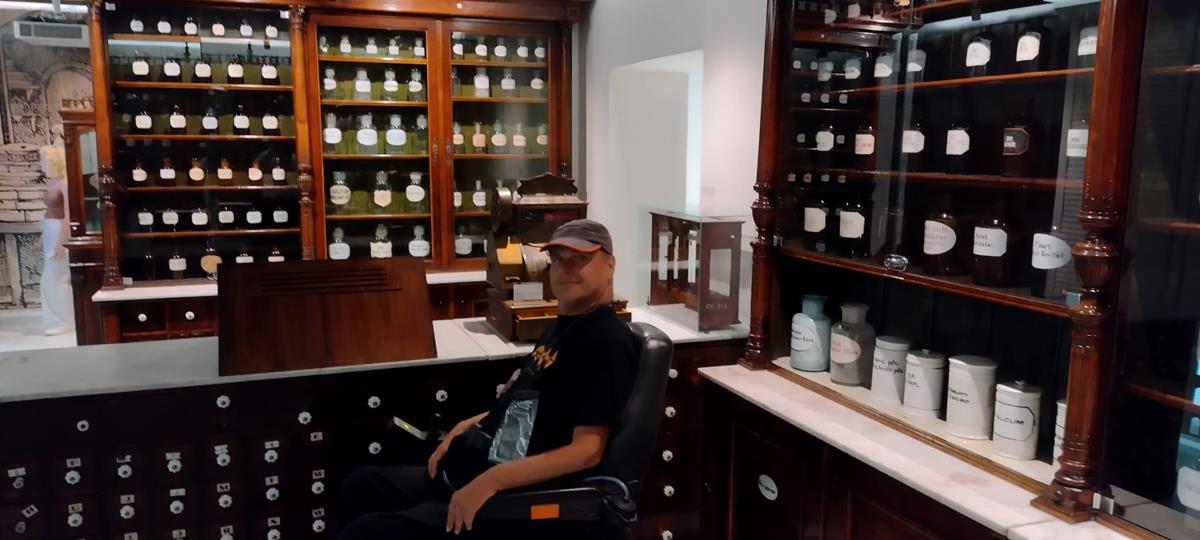
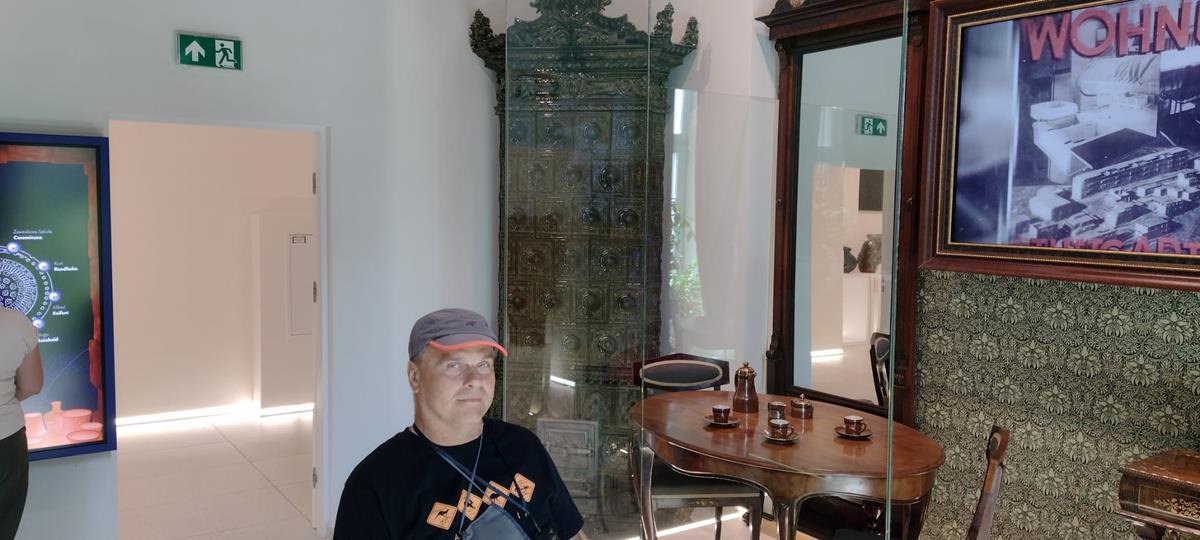
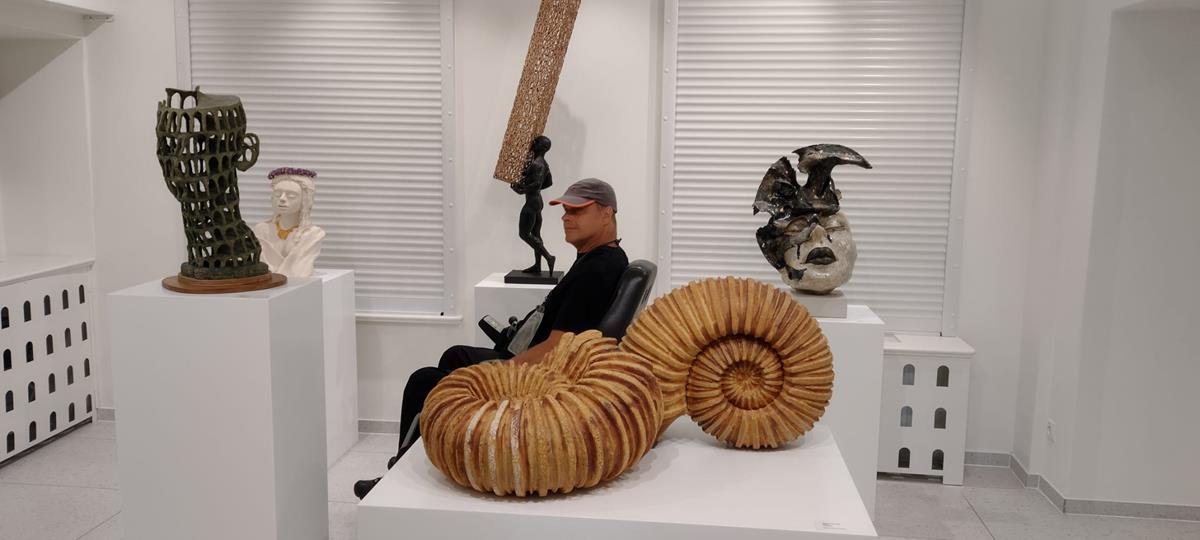
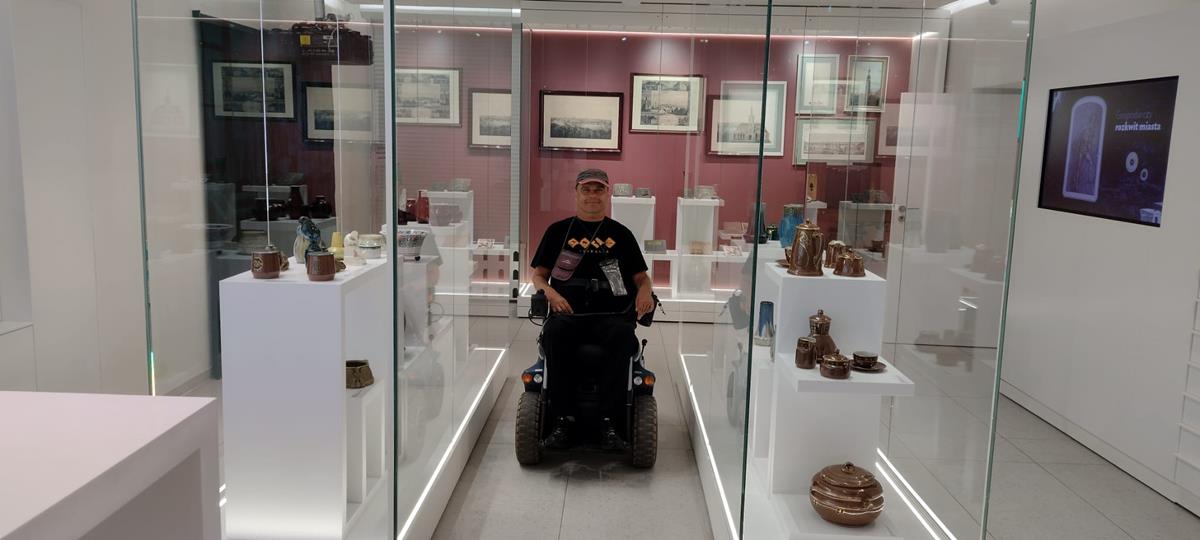
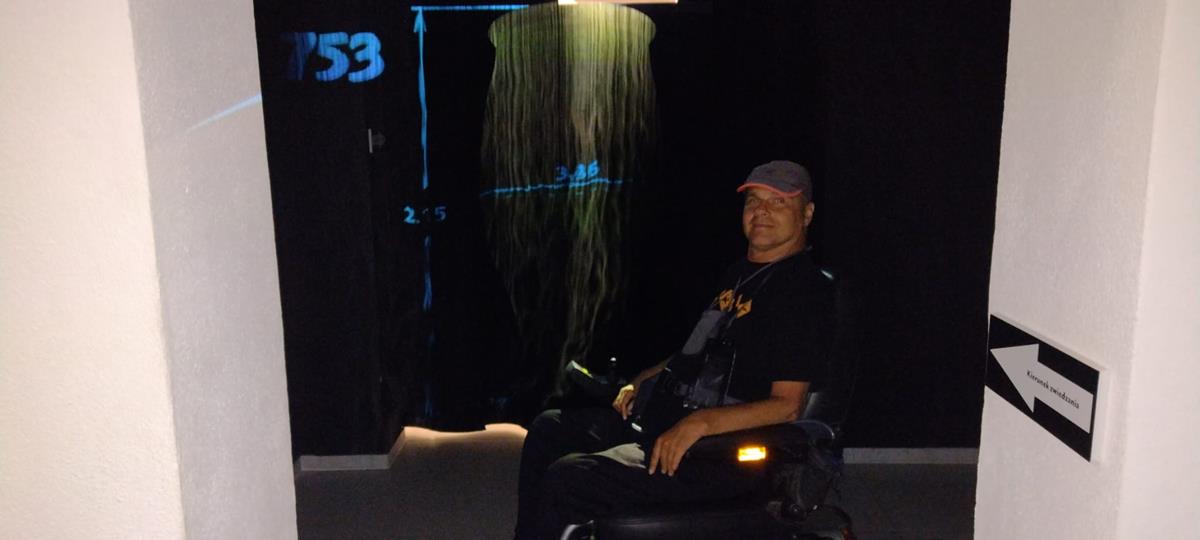
At the museum, you can discover how local pottery and ceramics developed over the years. The exhibition presents not only finished products but also helps visitors understand why Bolesławiec became one of the most important centres of ceramics in Poland. The museum also contains rooms that are not directly related to ceramics but are connected with the history of Bolesławiec. These include, for example, a reconstruction based on the original furnishings of an old pharmacy or an apartment from the communist era in Poland.
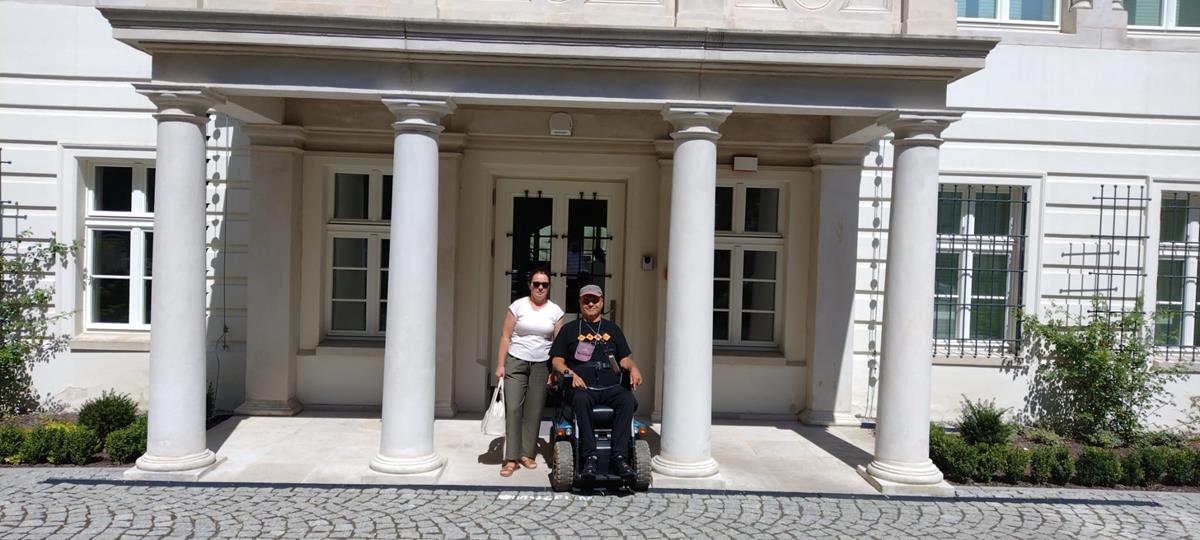
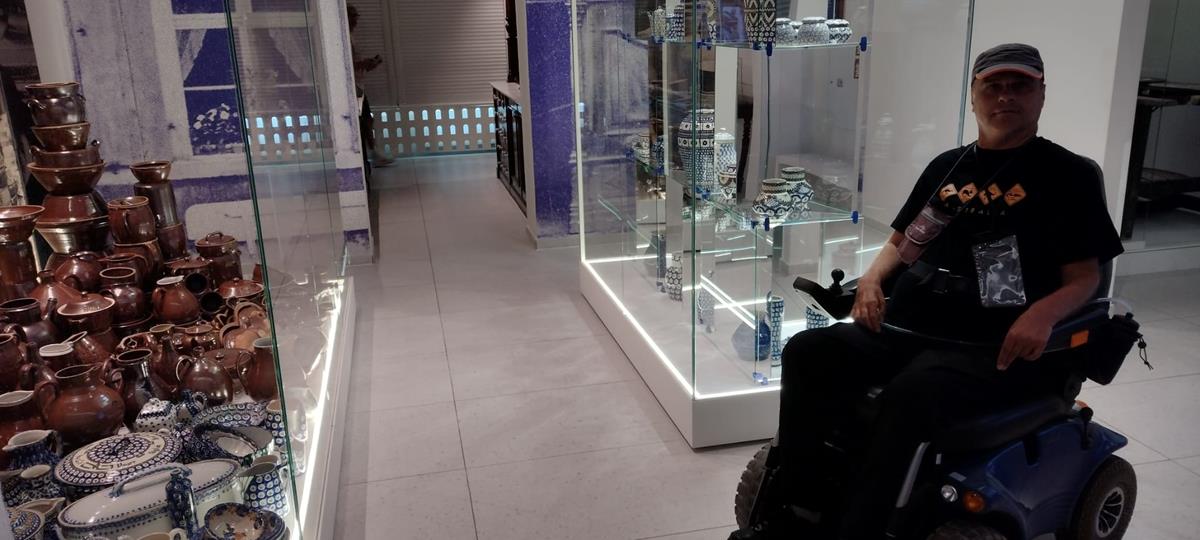
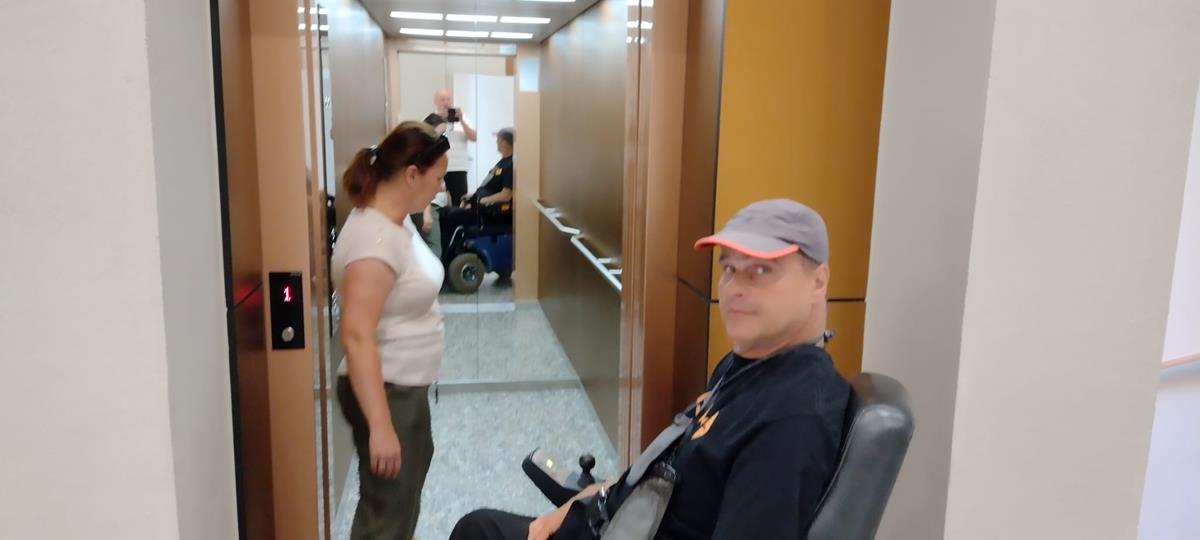
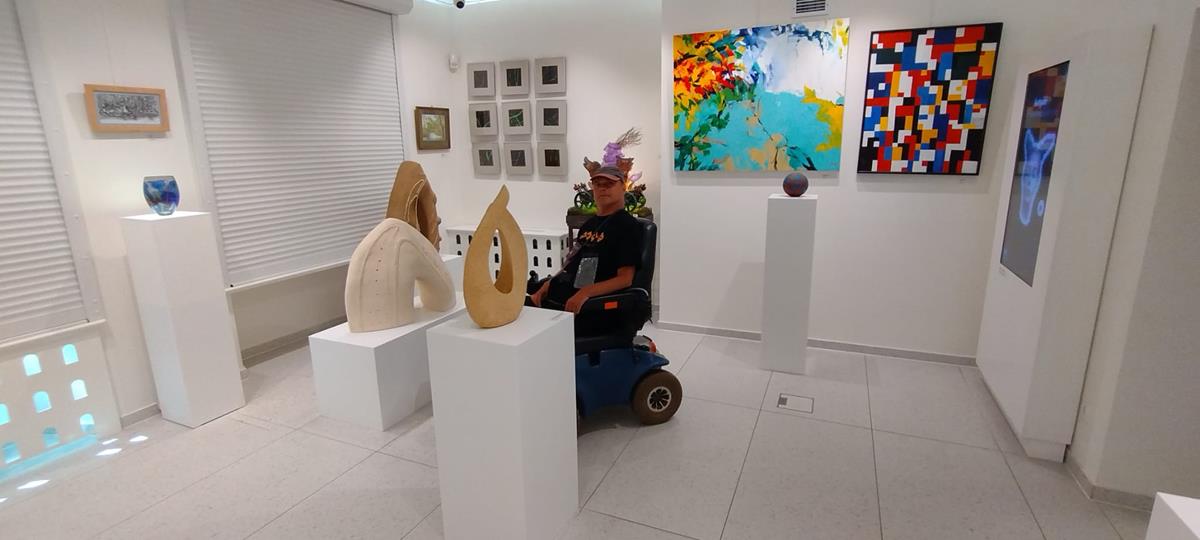
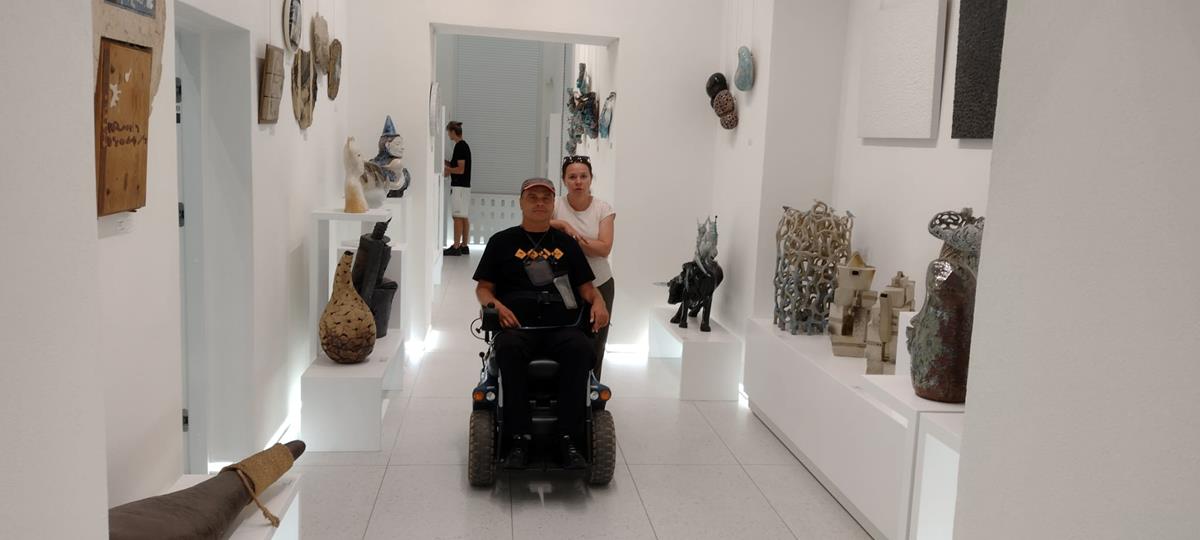
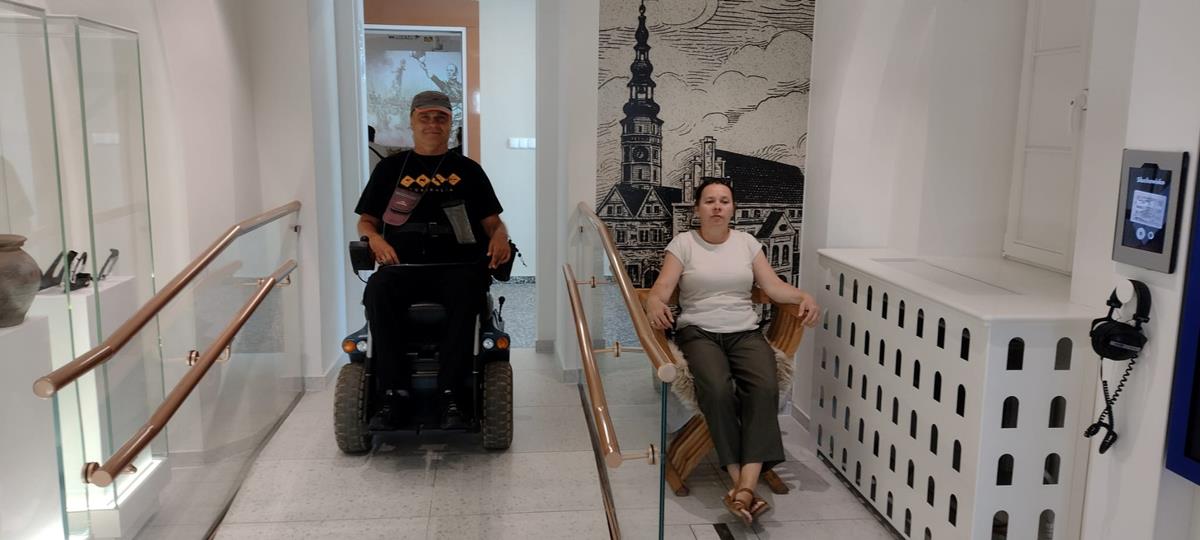
The most impressive exhibits are, of course, the distinctive pieces of pottery decorated with traditional patterns. Blue motifs, dots, flowers and geometric ornaments create a style that is difficult to confuse with any other. While visiting the Ceramics Museum in my electric wheelchair, I had no major problems accessing the individual parts of the exhibition. Generally wide passageways, a lift and ramps make this historic building very well adapted for wheelchair users.
The Ceramics Museum also has a shop selling Bolesławiec pottery and a toilet, both of which can be accessed without architectural barriers. Admission to the Ceramics Museum is free for people with disabilities and their carers.
Bolesławiec Market Square – the Heart of the City
After visiting the Ceramics Museum, it was time to explore the centre of Bolesławiec. The Market Square is one of those places that is best discovered without rushing. It is surrounded by colourful buildings, historic townhouses, restaurants and cafés, while the centre of the square is dominated by the distinctive Town Hall.
The Market Square made a very good impression on me. The colourful façades of the historic townhouses give it a unique character, while walking among the historic architecture is a pleasant addition to a visit to the museum. For a wheelchair user, the surface is naturally an important consideration. Not every historic city centre is easy to navigate, but getting around the Market Square in Bolesławiec does not cause any major problems. It is always possible to find a route with a more accessible surface and lowered kerbs.
It is pleasant to stop at one of the many restaurants and simply watch the life of the city. Bolesławiec does not feel like a huge, crowded tourist destination. You can take a relaxed walk here and experience the atmosphere of Lower Silesia.
Pottery Is Everywhere Here
In Bolesławiec, you quickly notice that pottery is not just a museum exhibit. It is an important part of the city's identity. Motifs associated with ceramics can be seen throughout the city, while local shops offer a huge selection of dishes and decorative pottery. For a pottery enthusiast, a visit to Bolesławiec can therefore turn into a real search for unique souvenirs. Unfortunately, not every shop has a convenient entrance for people with disabilities or enough space to manoeuvre a wheelchair.
Bolesławiec from a Wheelchair User's Perspective
Every trip in a wheelchair is slightly different. What is easily accessible for one person may be an obstacle for another. A lot depends on the type of wheelchair, its width, its ability to handle uneven surfaces and the individual's mobility.
However, my visit to Bolesławiec showed me that the city is definitely worth considering when planning an accessible trip. The accessible railway station is a major advantage, the city centre is interesting and full of historic architecture, while the Ceramics Museum offers an opportunity to discover the history of one of the region's most distinctive traditions.
Perhaps the greatest advantage of Bolesławiec is that you do not have to limit your visit to just one attraction. You can combine a visit to the museum with a walk around the Market Square, admire the historic townhouses and, of course, buy the famous Bolesławiec pottery.
Is Bolesławiec Worth Visiting?
Definitely. Bolesławiec is a great choice both for a day trip and as one of the stops on a longer journey around Lower Silesia. The Ceramics Museum allows you to discover the history of the city, the Market Square invites you to take a leisurely walk, and the possibility of reaching the city by train is an additional advantage for people who cannot or do not want to travel by car.
For me, it was above all another opportunity to see that wheelchair users can also discover some of Poland's less obvious destinations. Not everything is always perfectly accessible, and you have to be prepared for certain inconveniences, but this should not mean giving up on travelling.
Bolesławiec is worth visiting not only to buy its distinctive blue-and-white pottery. It is worth coming here for the history, architecture, atmospheric Market Square and the opportunity to experience the city up close – also from the perspective of a wheelchair user.